

The former operator of the Medusa Beach Club appeared before the investigating judge — tense, in a dark suit and white sneakers. The brief hearing raises bigger questions: monitoring of renovations, jurisdictions and how Mallorca can prevent such tragedies in the future.
Brief appearance on Via Alemania — and many unanswered questions
It was a cool morning in Palma: seagulls cried above Via Alemania, the smell of coffee mingled with the salty breath of the sea. Reporters' barriers clattered, a taxi stopped, a man got out — dark suit, white sneakers, quick steps toward the courthouse. The hearing about the collapse on Playa de Palma, in which four people died in May 2024, lasted only about 20 minutes. Some things that morning seemed casual, others painfully incomplete.
The central question: Who bears responsibility?
The defendant, an Austrian restaurateur, told the investigating judge that he knew nothing of structural defects and had only joined management in 2021. He deposited €250,000 — an amount that, according to court information, should quickly flow to relatives and the injured. That sounds like a first attempt to limit the damage. But is a payment enough when structural errors and possible failures by the authorities are at stake?
The key question remains: Is the blame solely with the operator, or is this the result of a complex failure — of planners, craftsmen, inspections and perhaps the pressure to quickly create attractive offers for tourists? Experts speak of overload; earlier reports are said to have already raised doubts about load capacity. Residents report renovations in which load-bearing elements were allegedly altered. The picture is not a clearly outlined isolated event, but a chain of decisions and omissions.
Aspects that are rarely heard
In the public debate the sensations dominate — the image, the suffering. Less noticed are technical procedures and administrative gaps: Is there a seamless register of all structural changes to terraces used by tourists? How transparent are previous reports, and who can view them? On what basis was a usage permit issued, and how often does the building authority check such open-air areas?
Another often overlooked point: the economic reality of small and medium-sized businesses. Many operators invest in terraces to serve guests — especially during the high season. Companies are commissioned that work quickly, but not always according to the strictest static rules. The question of whether Mallorca relies too heavily on short-term profit here is uncomfortable but necessary.
Concrete approaches — what should happen now
The judiciary will follow its course, reports will be examined and witnesses heard. Beyond that, this is an opportunity for the island to systematically improve:
1) Digital register of all renovation measures: Every change to load-bearing parts of buildings and terraces must be centrally recorded, provided with photos and reports, and be publicly accessible — at least for authorities and affected owners.
2) Regular random inspections: Not only for new permits, but also for older properties independent experts should carry out spot checks to verify whether the use still complies with the current state of the art.
3) Minimum insurance and deposit requirements: Operators of heavily frequented outdoor areas should be required to demonstrate liability insurance and higher safety deposits.
4) Better communication with guests and residents: Complaints and tips from neighbors should be processed more quickly and easily — a local reporting system with clear deadlines could help.
What the trial cannot solve
The investigation will clarify whether criminal responsibility exists. However, it cannot replace the gaps in the system that enable such accidents. While motorcycles roar along the Passeig and the city continues its rhythm outside, the families affected are left with scars that no court sum can heal.
For Palma and all of Mallorca it would be real progress to draw lessons from this tragic chapter: clearer inspections, more transparency and a genuine protection of people — visitors and locals alike. Only then will the question of responsibility lose its bitter aftertaste.
Important: The investigations are ongoing. This first hearing is one chapter in a longer process. Until clear results are available, the expectation remains high that politics and administration will not just watch, but act.
Similar News
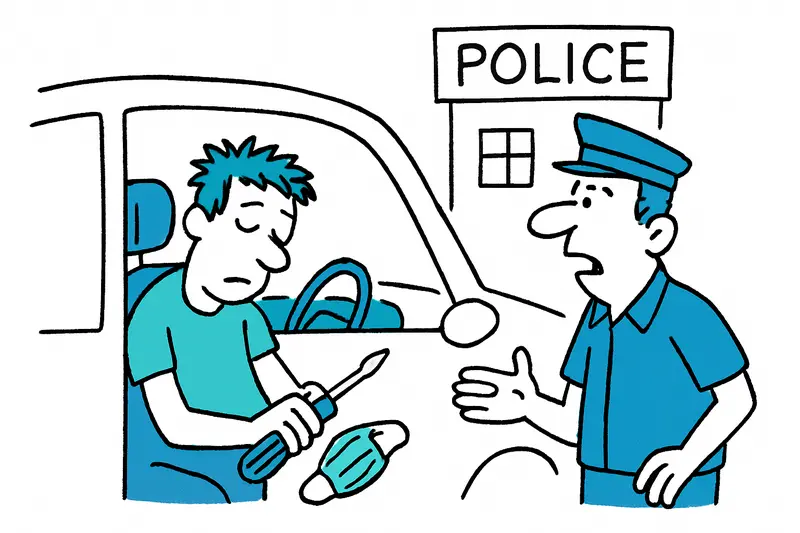
Sleeping in a Stolen Car Outside the Station: Why the Playa de Palma Incident Is More Than a Curious One-Off
An 18-year-old was found asleep at Playa de Palma in a car reported stolen, right in front of a police station. A screwd...
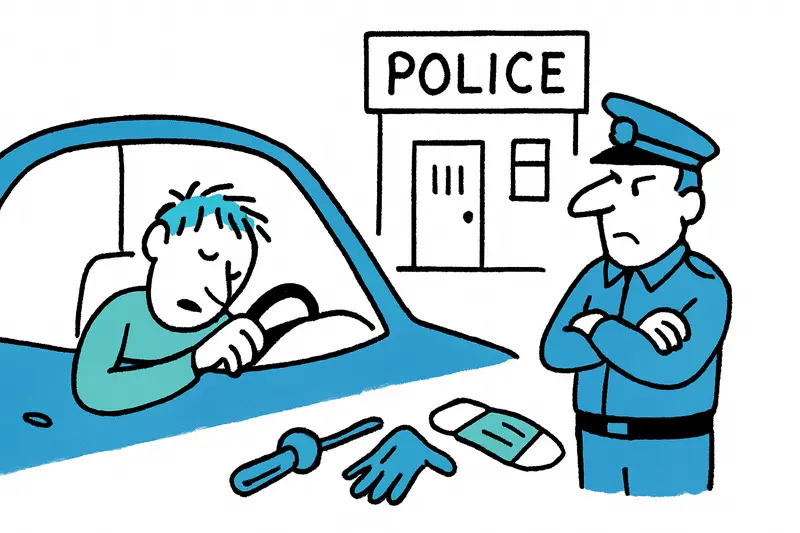
Sleeping in a Stolen Car Outside the Police Station: What Does the Playa de Palma Case Say About Prevention?
An 18-year-old was found in a car reported stolen in front of a police station in Playa de Palma. A screwdriver, glove, ...

Gynecologist Shortage in Manacor: Emergency Births at Night Rerouted to Palma
Due to a shortage of gynecologists, acute births that arrive at Manacor's emergency department at night are temporarily ...

Alcúdia acquires Gatamoix colony: nature, culture and education for Puig de Sant Martí
The municipality of Alcúdia has purchased the historic agricultural colony Gatamoix (Es Poble Nou) and is making the sit...

Island council tightens rules against the blue crab — is it enough?
From 2026 the Consell de Mallorca allows catching the invasive blue crab in almost all waters (except protected areas) a...
More to explore
Discover more interesting content

Experience Mallorca's Best Beaches and Coves with SUP and Snorkeling

Spanish Cooking Workshop in Mallorca
