
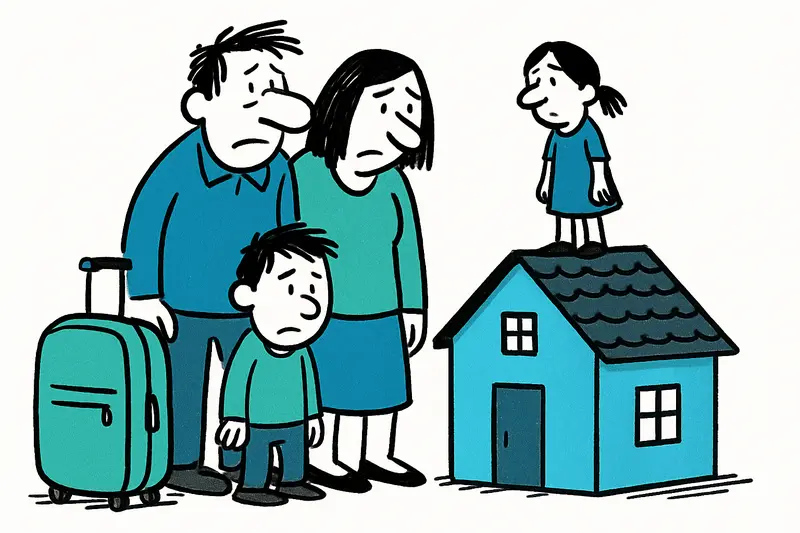
A family from Binissalem moves to the mainland because affordable housing is lacking. Their story raises a broader question: who will be able to live in Mallorca's villages in the future — and what roles do administration, landlords and tourism play?
When Rent Decides: How Villages Lose Their Families
In late summer, Sebastián, Claudia and their two children were faced with a decision that was anything but romantic: stay and squeeze every euro twice — or move away and finally breathe. In Binissalem, amid the vineyards, the market square with its Sunday bustle and the chimes of the village church, the search for an affordable flat came to a clear end. Three-room apartments that used to be considered "cozy" now cost almost €1,000 per month. Unaffordable for the family.
The Emergency Exit to the Mainland
The alternative was not on Mallorca but in Castellón: a terraced house with four bedrooms, a garden and a garage for around €400 per month. No sea view, no evening walk along the passeig — but space at the dining table for homework, a wood stove that makes real Sundays possible, and again some breathing room in the wallet. Sebastián describes the move not as an adventure but as pragmatism: Claudia's new job, less commuting time, schools closer to the grandparents. The motorhome Posidonia remains an option for returning, solar panels hum quietly on the roof, the shower works — yet the missing ferry discount hurts. That discount is only available to officially registered islanders.
The Central Question We Must Ask
Is this family's story an isolated fate or a signal? At the bar, at the market stall and in the queue at the baker's you hear similar decisions: shopkeepers, teachers, tradespeople leaving villages because the economic framework makes staying impossible. The central question is: who should live in Mallorca's villages if rents and conditions make moving out the only option?
Aspects Seldom Spoken Aloud
It's not just about the number on the lease. Administrative hurdles that complicate return are rarely discussed. The ferry discount is tied to the official registration address — a regulation that affects commuters and part-time residents. Fewer families also mean less demand for schools, sports clubs or small grocery stores; the supply shrinks and the provision situation changes. Language shift is another often underestimated effect: when children go to school elsewhere, the Mallorcan language loses everyday use. All of this are quiet cracks in the social fabric that you only notice when you walk through emptier streets at night and hear less Mallorcan being spoken.
There are also psychological costs: a generation learns that leaving home is a necessary form of survival. Identity and belonging thus become variables in the household budget — not small matters, but long-term alterations to communal life.
Concrete Measures That Could Help Now
Personal appeals are not enough. Political decisions and tangible tools are needed. Some proposals that could be started immediately:
1. Long-term rental commitments: Tax incentives for owners to rent flats permanently to local families, coupled with subsidies for necessary renovations.
2. Transparency and limits on holiday rentals: A public register for short-term rentals, binding usage restrictions and an active return of vacant year-round flats to the local market.
3. Expansion of social housing stock and cooperatives: Municipalities and neighbourhoods could acquire vacant buildings or convert them into cooperatives — models in which residents have a say and rents are socially bound.
4. Fair access to commuter benefits: Link the ferry discount to real living situations, not solely to registration formalities — more flexible commuter models would ease part-time living and return.
5. Measures against second-home speculation: More progressive taxation of permanently vacant second homes and a vacancy register that enables municipalities to act.
How Villages Chase the Sound of Their Identity
There are already projects on the island that show politics and civil society can make a difference: renovations of vacant stock, grants for young families and communal housing projects where old and young live together. Such initiatives are not a magic wand but practical work: time, budget and political will. They care for the everyday sounds we so easily romanticize — the clatter of boots at the market, the hum of the cicadas, snatches of conversation outside the café — and try to preserve them.
For Sebastián and his family the move was painful and at the same time pragmatic. They gained space, but the question remains: how many other families will face the same choice? If politicians and landlords do not act, rent will eventually decide who is allowed to be Mallorcan. And that would be a bitter diagnosis of poverty for an island that is more than a postcard motif.
'We are Mallorcans at heart,' says Sebastián — both a promise and a wake-up call.
Similar News

OnlyFans shared house in Santa Ponsa: luxury villa, €300,000 — and many unanswered questions
A planned OnlyFans shared house in Santa Ponsa with a luxury villa and a €300,000 budget raises more than gossip: it tou...

From Reality Star to Serious Musician: Can Chanelle Wyrsch Make It on Mallorca?
Chanelle Wyrsch is changing course: away from tabloid TV headlines and toward music. On Mallorca she is honing her live ...
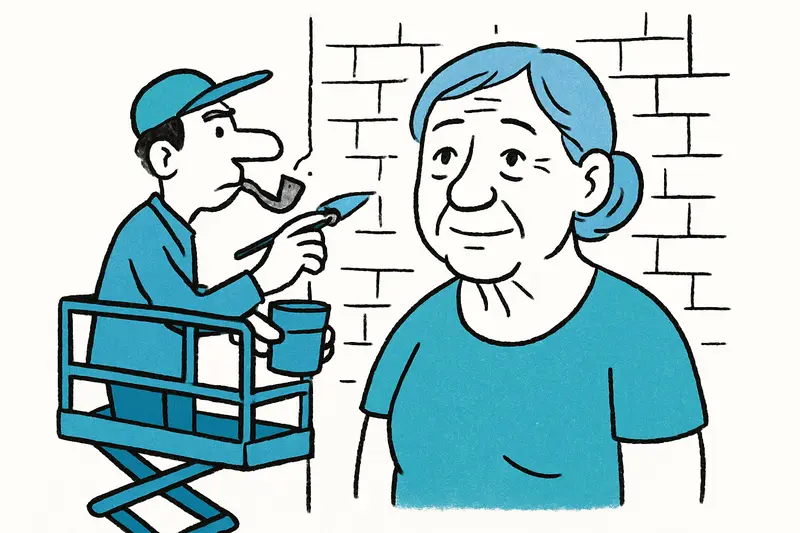
Joan Aguiló: Portraits, Walls and the Real Mallorca
His nearly life-size portraits on house walls tell of neighbors, markets and everyday life — art that holds the island t...

Credibility Needed: How Palma Should Really Tackle Illegal Street Vending
Blankets on the Paseo, stalls beneath the cathedral: illegal street vending hits small shops and trust in the rules. Why...
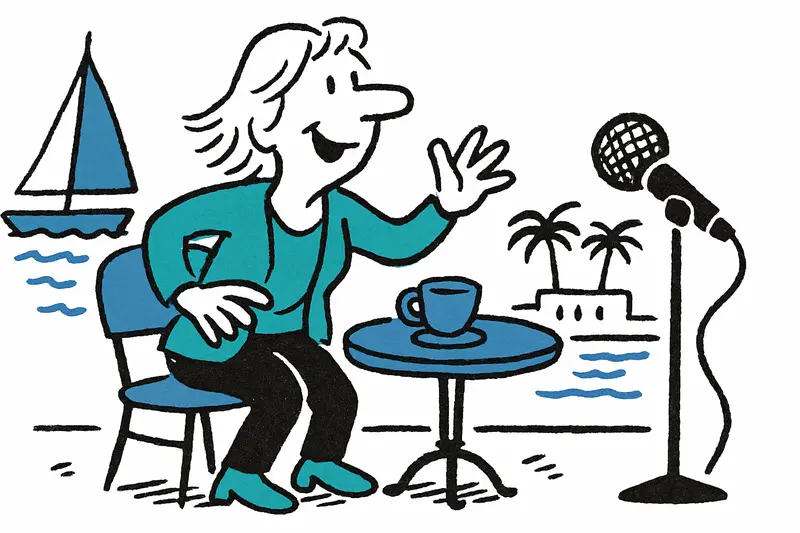
Kristina Bach makes a comeback: Mallorca remains her home
Songwriter Kristina Bach returns to the stage — with an appearance on Heidi Klum's new schlager show and a planned tour ...
More to explore
Discover more interesting content

Experience Mallorca's Best Beaches and Coves with SUP and Snorkeling

Spanish Cooking Workshop in Mallorca
