
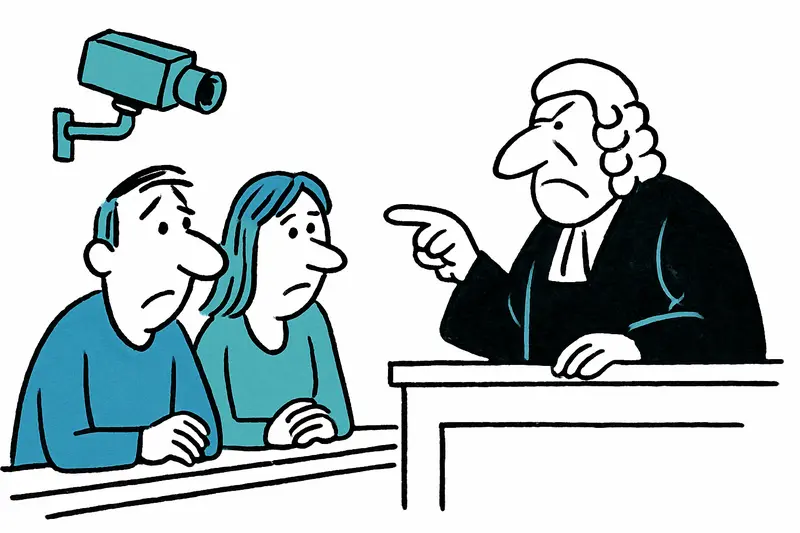
A couple is on trial in Palma — accused of secretly installing cameras at the door and on the terrace. Why the case is more than a criminal matter and what neighbors can do now.
How much surveillance can a neighborhood tolerate?
On Monday morning a couple sat with serious faces in the courtroom in Palma. Around nine, before the sun had really risen above the pines on the edge of town, the hearing began. The charge is: secret surveillance of the neighbors. Small cameras are said to have been attached to the front door and the terrace of a house — without the victims' knowledge. For the prosecution, this is enough to demand one and a half years in prison, €2,000 in compensation and a €4,500 fines.
The guiding question
The essential question hovering over the case goes beyond punishment: How do we protect privacy in close-knit villages without criminalizing the neighborhood? Because the most serious effect is often not the verdict but what remains afterwards: a feeling of distrust that settles into the streets.
More than a legal case
Legally many things are clear: secretly recording private areas violates personal rights. But legal provisions only go as far as secure evidence. The police secured traces, a settlement was not reached, and the proceedings were adjourned until April. Until then, uncertainty remains for the neighbors. In the small community north of Palma, where people used to greet one another at the corner bakery and pause briefly on the plaza, discussion now drifts between the morning bread bags and the vegetable stall.
What is often not discussed enough
The debate focuses on technology and punishment. Less often it concerns three things that we here experience more often:
1. The psychological long-term effect. Those affected later report a loss of control, not just once but day in, day out. Doors are locked more quickly, conversations avoided. Trust crumbles slowly.
2. The technical everyday practicality. Such modules are small, cheap and easy to hide. Anyone handy can attach them inconspicuously. The question is: who controls the controllers?
3. Social power relations. In close communities relationships, jealousy, inheritances or conflicts play a role. Surveillance can be a tool in long-smouldering disputes — that often remains invisible in court records.
Concrete starting points — what could help now
It is not enough to wait for a verdict. We need local, practical steps:
Prevention through education: The municipality could offer information evenings in cooperation with the local police. Short workshops explaining how to recognize suspicious devices, what rights people have and how to file a complaint.
A low-threshold reporting mechanism: An anonymous hotline or a trusted contact at the town hall that residents can turn to without immediately triggering criminal proceedings.
Visibility instead of distrust: Neighbourhood agreements on camera use, visible marking of permitted surveillance areas (e.g. private security cameras that are clearly visible), and common rules for drone flights could create clarity.
Legal support: Free initial contact with a legal advice center for those affected — many do not know which steps make sense and let time pass.
Why this issue should concern all of us
Privacy is not an abstract concept. It is the basis for everyday coexistence in our streets. If people walk past one another more quickly on Carrer de Sa Mar, it has consequences for shops, Sunday quiet, light clothing in summer and the chat under the olive trees. It's about more than camera footage; it's about how we want to live together in the future.
Looking ahead
The couple has not been convicted for the time being. The judge postponed the trial; the court date in April will be decisive. Until then the task for the community is clear: inform, talk, agree. Legal penalties can deter. Even more important are measures that prevent lasting fears.
I will continue to stay on site, talk to people — at the bakery, in the shade of the plane tree on the plaza, at the greengrocer. Ask questions, listen. Not only because it is my job, but because this is about our shared living environment. And yes: modern technology can be used, but not secretly against the people who share the same street with you.
Similar News
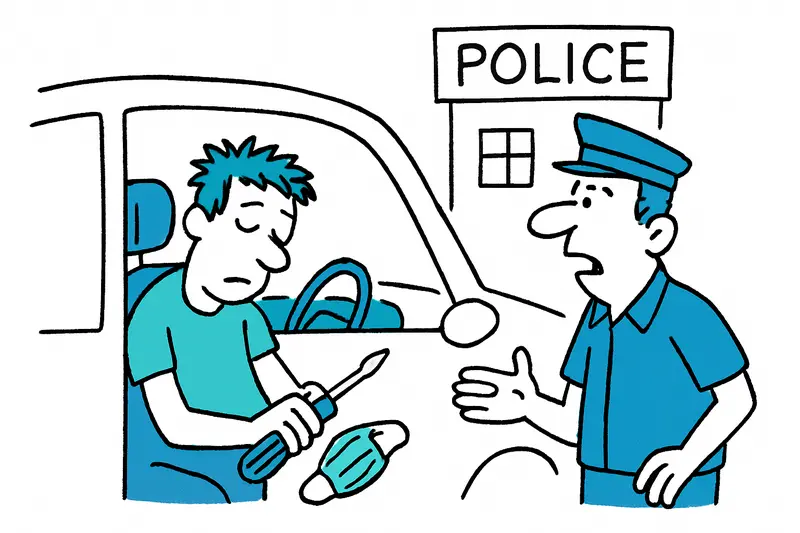
Sleeping in a Stolen Car Outside the Station: Why the Playa de Palma Incident Is More Than a Curious One-Off
An 18-year-old was found asleep at Playa de Palma in a car reported stolen, right in front of a police station. A screwd...
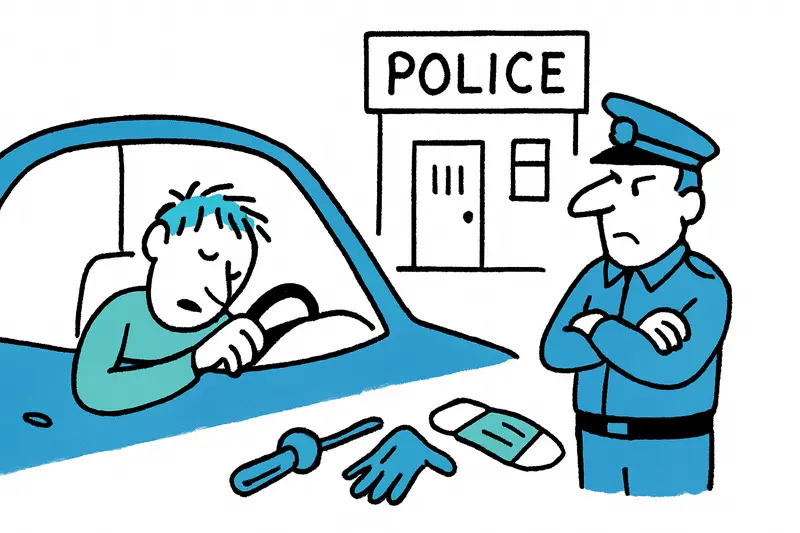
Sleeping in a Stolen Car Outside the Police Station: What Does the Playa de Palma Case Say About Prevention?
An 18-year-old was found in a car reported stolen in front of a police station in Playa de Palma. A screwdriver, glove, ...

Gynecologist Shortage in Manacor: Emergency Births at Night Rerouted to Palma
Due to a shortage of gynecologists, acute births that arrive at Manacor's emergency department at night are temporarily ...

Alcúdia acquires Gatamoix colony: nature, culture and education for Puig de Sant Martí
The municipality of Alcúdia has purchased the historic agricultural colony Gatamoix (Es Poble Nou) and is making the sit...

Island council tightens rules against the blue crab — is it enough?
From 2026 the Consell de Mallorca allows catching the invasive blue crab in almost all waters (except protected areas) a...
More to explore
Discover more interesting content

Experience Mallorca's Best Beaches and Coves with SUP and Snorkeling

Spanish Cooking Workshop in Mallorca
